
#SelfCare

🍹 Sip, Shake & Smile: Master the Art of Mocktails This Summer

Who says the best drinks have to include alcohol? Whether you're hosting friends, celebrating a special occasion, or simply looking for a refreshing afternoon pick-me-up, mocktails prove that flavor, creativity, and fun don't need spirits to shine.

At our Mastering Mocktails Workshop, participants discover how simple ingredients can be transformed into vibrant, handcrafted beverages bursting with fresh flavors. From muddling herbs to balancing citrus and sweetness, everyone leaves with new skills, delicious recipes, and plenty of inspiration to recreate these drinks at home.

Why Mocktails Are More Than Just a Trend

Mocktails have become one of the fastest-growing wellness beverages—and for good reason.

They're:

  • 🍋 Refreshing and naturally flavorful

  • 🌿 Made with fresh fruits and herbs

  • 💧 A great way to stay hydrated

  • 🎉 Perfect for parties, work events, and family gatherings

  • ❤️ Inclusive for everyone to enjoy

Creating a great mocktail is all about balancing sweet, tart, bubbly, and aromatic flavors. Once you understand the basics, the combinations are endless!

Recipe #1: Margarita Mocktail

Everything you love about a classic margarita—without the alcohol.

Ingredients

  • 2 oz lime juice

  • 1 oz orange juice

  • 1–2 tsp agave nectar (to taste)

  • Salt (optional)

  • Spoonful of ice

  • 4 oz soda water (to taste)

Directions

  1. Rub a lime wedge around the rim of each glass and dip in salt, if desired. Set the glass aside.

  2. In a cocktail shaker, combine the lime juice, orange juice, and agave nectar.

  3. Add a spoonful of ice and shake well to combine.

  4. Fill glass with ice and strain the cocktail mixture into the glass.

  5. Top off the glass with soda water and give it a stir!

  6. Yields one drink - Cheers!

Pro Tip: Adjust the agave nectar to match your preferred sweetness level.

Recipe #2:Blueberry Basil Smash

A refreshing blend of juicy blueberries, fragrant basil, and sparkling soda water.

Ingredients

  • 1 Tbsp fresh blueberries

  • 2 fresh basil leaves

  • 1 oz freshly squeezed lime juice

  • 1 Tbsp agave nectar

  • Spoonful of ice

  • 4 oz soda water

Directions

  1. Take blueberries and place them in the bottom of the shaker.

  2. Next, add two basil leaves and gently muddle together.

  3. Add the lime juice and agave.

  4. Fill shaker with ice and shake until all is combined and chilled.

  5. Strain the mix into a glass filled with fresh ice.

  6. Top the mocktail with a splash of soda water and garnish with a sprig of fresh basil and a few blueberries.

  7. Yields one drink - Cheers!

Pro Tip: Lightly clap the basil leaves between your hands before garnishing to release even more aroma.


Cheers to Wellness!

Mocktails remind us that celebration isn't about what's in the glass—it's's about sharing moments, trying something new, and enjoying fresh, wholesome ingredients with others.

Whether you're sipping a Blueberry Basil Smash on a sunny afternoon or serving a Margarita Mocktail at your next gathering, these refreshing recipes are sure to impress.

So grab your favorite mason jar, gather some fresh ingredients, and start mixing. Here's to healthier happy hours, memorable gatherings, and delicious drinks everyone can enjoy!

Cheers! 🍹
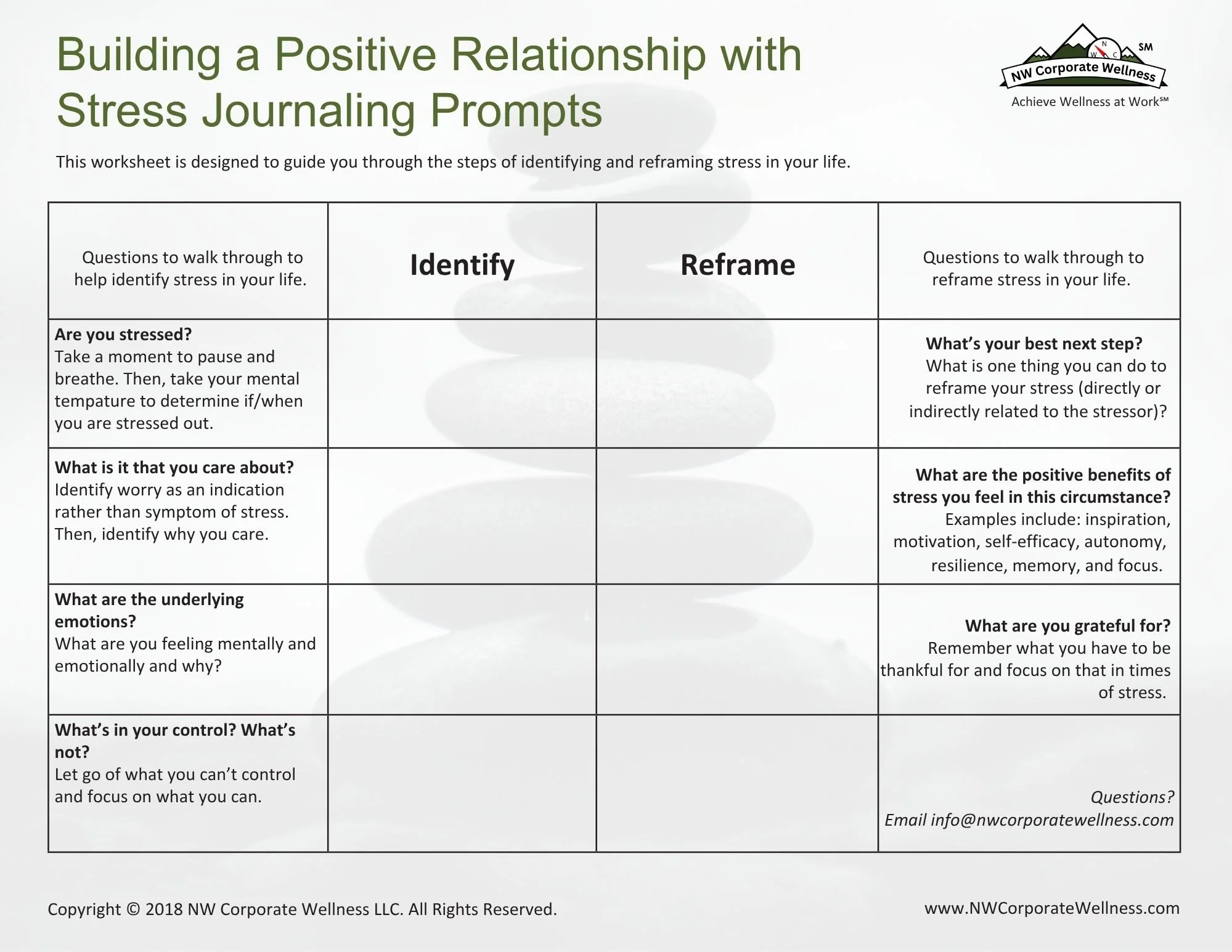
Building a Positive Relationship with Stress

Stress is a natural part of life, but the way we respond to it can make all the difference. Instead of viewing stress as something purely negative, we can learn to better understand it, manage it, and even use it as a tool for growth.

The Building a Positive Relationship with Stress Journaling Prompts worksheet encourages individuals to identify stressors, reflect on emotions, and reframe stressful experiences in a healthier, more productive way.

Click link to download journal: https://drive.google.com/file/d/14DpBwZSXmyVJtxJOsY1ft1ezUrNzvR1g/view?usp=drive_link

Start by Identifying Stress

The first step is awareness. The worksheet encourages individuals to pause, breathe, and check in with themselves by asking:

  • Are you stressed?

  • What are the underlying emotions?

  • What is within your control, and what is not?

Taking a moment to reflect can help reduce overwhelm and create space for clearer thinking.

Reframing Stress

Once stress is identified, the next step is reframing it. Rather than seeing stress only as a problem, the guide encourages people to recognize potential positive outcomes, such as:

  • Motivation

  • Focus

  • Resilience

  • Inspiration

  • Personal growth

Stress often signals that we care deeply about something important. Shifting perspective can help transform stress into action and self-awareness.

Focus on Gratitude & Next Steps

The worksheet also highlights the importance of gratitude and identifying one small next step forward. Focusing on what you can control — rather than what you cannot — can help build confidence and emotional balance during challenging moments.

Final Thoughts

Building a healthier relationship with stress doesn’t mean eliminating it completely. It means learning how to pause, reflect, and respond with intention. Through journaling, mindfulness, and self-awareness, stress can become an opportunity for growth, resilience, and greater emotional wellbeing.

Nurturing Self-Care in the Corporate Landscape: A Vital Investment

In today’s competitive corporate environment, businesses are constantly seeking ways to boost productivity, retain top talent, and maintain a healthy workplace culture. While traditional strategies like professional development and team-building exercises play an important role, there’s a growing recognition that self-care is equally crucial to an organization's long-term success. The well-being of employees isn’t just a personal responsibility—it's a business imperative.

At NW Corporate Yoga, we believe that self-care is more than a buzzword; it's a foundational element for a thriving, high-performing workforce. Here’s why investing in self-care initiatives is one of the smartest moves any company can make, and how your business can start nurturing this essential practice.

The Connection Between Self-Care and Productivity

The notion that working longer hours leads to better results is a myth. Overworked employees are often less engaged, more stressed, and prone to burnout. Studies show that businesses with stressed, overwhelmed employees suffer from lower productivity, increased absenteeism, and higher turnover rates.

On the other hand, when companies actively encourage self-care—whether through wellness programs, mental health support, or even small adjustments like promoting regular breaks—they experience better outcomes. Employees who feel supported in taking care of their physical and mental health are more engaged, more focused, and able to bring their best selves to work. This leads to a significant boost in both productivity and morale.

Fostering a Culture of Self-Care

So how can companies foster self-care in the workplace in a meaningful way? Here are a few strategies that can be implemented to encourage self-care and wellness:

  1. Offer Wellness Programs
    Corporate wellness programs that include yoga, meditation, or fitness classes during lunch breaks are a great way to promote physical activity and stress reduction. Offering employees a chance to engage in healthy habits at work helps them return to their tasks with renewed energy and focus.

  2. Promote Mental Health Resources
    Providing access to mental health services, including counseling or stress-management workshops, is critical for creating a supportive environment. Employee Assistance Programs (EAPs) that offer confidential counseling can be a great resource for employees struggling with stress, anxiety, or other mental health challenges.

  3. Encourage Regular Breaks and Downtime
    Encourage employees to take regular breaks throughout the day. Sitting for long hours can lead to both physical and mental fatigue. By promoting activities like desk stretches, mindfulness practices, or simple walks, companies can reduce stress and help employees reset.

  4. Lead by Example
    When leadership prioritizes self-care and models a balanced lifestyle, it sets a tone for the entire organization. Whether it’s leaving work on time, encouraging vacation use, or participating in wellness initiatives, leadership's support of self-care can inspire employees to do the same.

  5. Offer Flexible Working Conditions
    Allowing employees to manage their schedules and workloads in ways that fit their personal needs can dramatically reduce stress and improve overall well-being. This flexibility, when feasible, encourages employees to take time for self-care, whether it’s attending to personal matters, taking a mental health day, or fitting in a mid-day workout.

Why Self-Care is Good for Business

Fostering self-care doesn’t just benefit employees—it directly impacts a company’s bottom line. Studies have shown that companies investing in employee well-being report fewer sick days, lower healthcare costs, and a boost in both employee retention and satisfaction. Furthermore, happier, healthier employees are more engaged, creative, and able to contribute more effectively to their work.

According to the Global Wellness Institute, the corporate wellness market has grown into a $48 billion industry, as more companies recognize the connection between wellness and business outcomes. Organizations that prioritize wellness are ahead of the curve, attracting top talent and creating a work environment that supports long-term success.

Conclusion: Make Self-Care a Priority in Your Company

The corporate landscape is evolving, and businesses must adapt to prioritize employee well-being to stay competitive. Self-care is no longer just a personal responsibility—it’s a shared organizational value that can transform your workplace into a thriving, supportive environment.

At NW Corporate Yoga, we offer a range of wellness services designed to support the health and well-being of your employees. From on-site yoga and meditation classes to wellness workshops, we’re here to help your company build a culture of wellness that promotes self-care and long-term success. Reach out to us today to learn more about our tailored wellness programs.

Nurturing Mental Health in the Corporate World: The Power of Mindful Meditation

In the hustle and bustle of the corporate environment, it's easy to get caught up in the endless demands of deadlines, meetings, and performance targets. However, amidst the chaos, it's essential not to overlook the importance of mental health. The well-being of employees is not just a nice-to-have; it's a crucial factor in driving productivity, creativity, and overall organizational success.

The Corporate Mental Health Crisis

In recent years, there has been growing recognition of the mental health challenges faced by employees in the corporate world. Stress, burnout, anxiety, and depression are all too common, with long hours, high-pressure work environments, and the constant drive to excel taking a toll on mental well-being.

The Role of Mindful Meditation

Enter mindful meditation – a simple yet powerful practice that has been shown to have profound benefits for mental health. Mindful meditation involves focusing your attention on the present moment, observing your thoughts and feelings without judgment, and cultivating a sense of calm and inner peace. Mindful meditation at work? We can’t think of a better way to start a meeting or leadership event!

Benefits of Mindful Meditation in the Corporate Setting

Stress Reduction: Mindful meditation is a potent antidote to stress. By practicing mindfulness, employees can learn to manage stress more effectively, reduce anxiety levels, and cultivate a greater sense of calm amidst the chaos of the corporate world.

Improved Focus and Concentration: In today's fast-paced work environment, maintaining focus and concentration can be a challenge. Mindful meditation helps sharpen the mind, enhance cognitive function, and improve attentional control, enabling employees to work more efficiently and productively.

Enhanced Emotional Resilience: Building emotional resilience is essential for navigating the ups and downs of corporate life. Mindful meditation equips employees with the tools to cope with adversity, bounce back from setbacks, and maintain a positive outlook even in challenging circumstances.

Better Decision-Making: Clarity of mind is crucial for making sound decisions. By practicing mindful meditation, employees can clear mental clutter, gain perspective, and make decisions with greater clarity and insight.

Promotion of a Positive Work Culture: When employees prioritize their mental health, it creates a ripple effect throughout the organization. A workplace culture that values well-being fosters greater employee satisfaction, engagement, and loyalty, ultimately leading to a more positive and productive work environment.

Incorporating Mindful Meditation into the Workplace

Employers can play a pivotal role in promoting mental health and well-being by introducing mindful meditation programs in the workplace. From offering mindfulness workshops and guided meditation sessions to providing access to meditation apps and creating dedicated quiet spaces for reflection, there are numerous ways organizations can support their employees' mental health journey. 

If you’re looking for a corporate wellness partner with high quality, reliable, and professional team members email us at info@nwcorporateyoga.com to learn more.